
Small Scraps, Massive Impact: Why Your Food Waste Matters
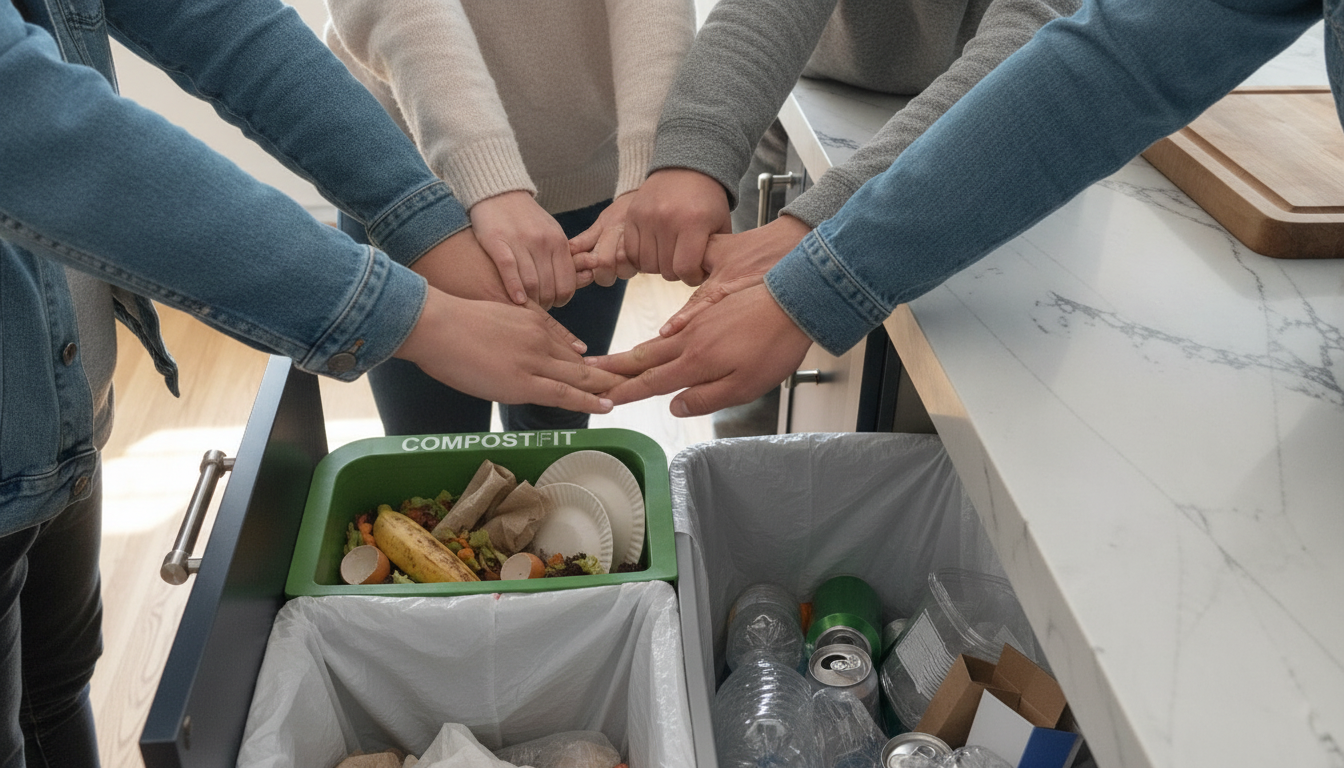
It is easy to feel that your individual actions might not make much difference in the larger scheme of things. When you scrape a few potato peels into the compost bin, it might seem like a small gesture, especially when you consider the millions of households in California. You might wonder if that effort truly contributes to a cleaner environment or helps meet statewide goals like those set by SB 1383. These big environmental challenges can often feel overwhelming, making personal contributions seem insignificant in comparison to the scale of the problem.
However, the truth is that collective action, built on countless small, consistent individual choices, is a powerful force. Across many areas of life, from environmental conservation to community building, significant change often begins with one person, then another, making a simple adjustment to their daily routine. It is a testament to what we can achieve together when we each commit to doing our part.
Small actions, big results
Consider a few examples where individual decisions, when multiplied by many, have led to substantial collective outcomes:
- Water conservation during droughts: In California, when drought conditions become severe, residents are asked to reduce their water usage. Taking shorter showers, fixing leaky faucets, or watering lawns less frequently might seem minor on their own. Yet, when millions of households adopt these habits, the cumulative effect can save billions of gallons of water, visibly impacting reservoir levels and helping communities navigate water shortages. This collective discipline not only preserves a vital resource but also demonstrates how a shared sense of responsibility can safeguard our future during challenging times.
- Reducing plastic bag use: Years ago, plastic grocery bags were ubiquitous. As awareness grew about their environmental impact, many individuals started bringing reusable bags to stores. This shift in consumer behavior, driven by millions of small choices, eventually led to statewide bans and fees on single-use plastic bags, dramatically reducing plastic waste in landfills and oceans. The success here wasn't just about policy; it was about a widespread cultural change initiated by individuals choosing a different, more sustainable path.
- Community clean-up drives: A single person picking up litter along a street makes a small difference. But when hundreds or thousands of volunteers gather for a coordinated community clean-up, entire parks, beaches, or neighborhoods can be transformed in a single day, creating a visibly cleaner and healthier environment for everyone. These events foster a sense of shared ownership and pride, showing how collective physical effort can yield immediate and noticeable improvements.
These examples show that the impact of one person's effort is amplified when others join in. The power lies not in the magnitude of a single action, but in the consistency and widespread adoption of that action by a collective. It's about building momentum, one small step at a time, until the combined force becomes undeniable.
The math of collective composting
Composting organic waste in your kitchen is another one of these small, consistent actions that, when adopted by many, creates a significant collective impact. California's SB 1383 mandates that organic waste be diverted from landfills, and every bit of food scraps and food-soiled paper you compost contributes to this goal.
Let's consider the math. If an individual household diverts an average of 5 pounds of organic waste from the trash to their green bin each week, that adds up quickly:
- Per year, one household: 5 pounds/week * 52 weeks/year = 260 pounds of organic waste diverted.
Now, let's see what happens when more households participate:
- 20 households: If just 20 households each divert 260 pounds per year, that's 5,200 pounds of organic waste kept out of landfills annually.
- 100 households: For 100 households, the total jumps to 26,000 pounds (13 tons) of organic waste diverted each year.
- 1,000 households: If 1,000 households participate, the collective impact reaches 260,000 pounds (130 tons) of organic waste annually.
- 10,000 households: With 10,000 households making this small weekly effort, the total organic waste diverted becomes a massive 2,600,000 pounds, or 1,300 tons, every single year.
Beyond just the sheer volume, diverting this organic waste has profound environmental benefits. When food scraps and other organic materials are sent to landfills, they decompose without oxygen, producing methane gas. Methane is a greenhouse gas much more potent than carbon dioxide in the short term, contributing significantly to climate change. By composting, we prevent this methane production, directly reducing our carbon footprint. Instead of generating harmful gases, these materials can be transformed into nutrient-rich compost that enriches soil, conserves water, and reduces the need for chemical fertilizers in agriculture and gardening. This transformation turns a potential environmental problem into a valuable resource, benefiting local ecosystems and supporting sustainable food systems.
These numbers illustrate how seemingly small, individual efforts can quickly accumulate into a truly substantial collective impact. Each time you compost your food scraps and food-soiled paper, you are contributing to a much larger movement that benefits your community and the environment.
Your part in a bigger picture
Making composting a consistent habit in your home is a direct way to participate in this California's statewide initiative. It is a tangible way to contribute to cleaner air, healthier soil, and a more sustainable future for California. Every household that participates strengthens the overall effort, making the statewide goals more attainable. It is not just about compliance; it is about community and shared responsibility for our environment.
Keeping organic waste out of the trash might feel like just another chore, but when you consider the impact of thousands of households doing the same, your daily effort becomes a vital part of a much larger movement. Making this process simple and integrated into your kitchen routine can make all the difference. The CompostFit insert helps by creating a dedicated compost partition right inside your pull-out trash can, making it easier to sort food scraps and food-soiled paper in the same motion as throwing something away, contributing to that collective impact with every scrap you divert.