
San Gabriel Valley Organics Enforcement: What Every Kitchen Needs to Know Now
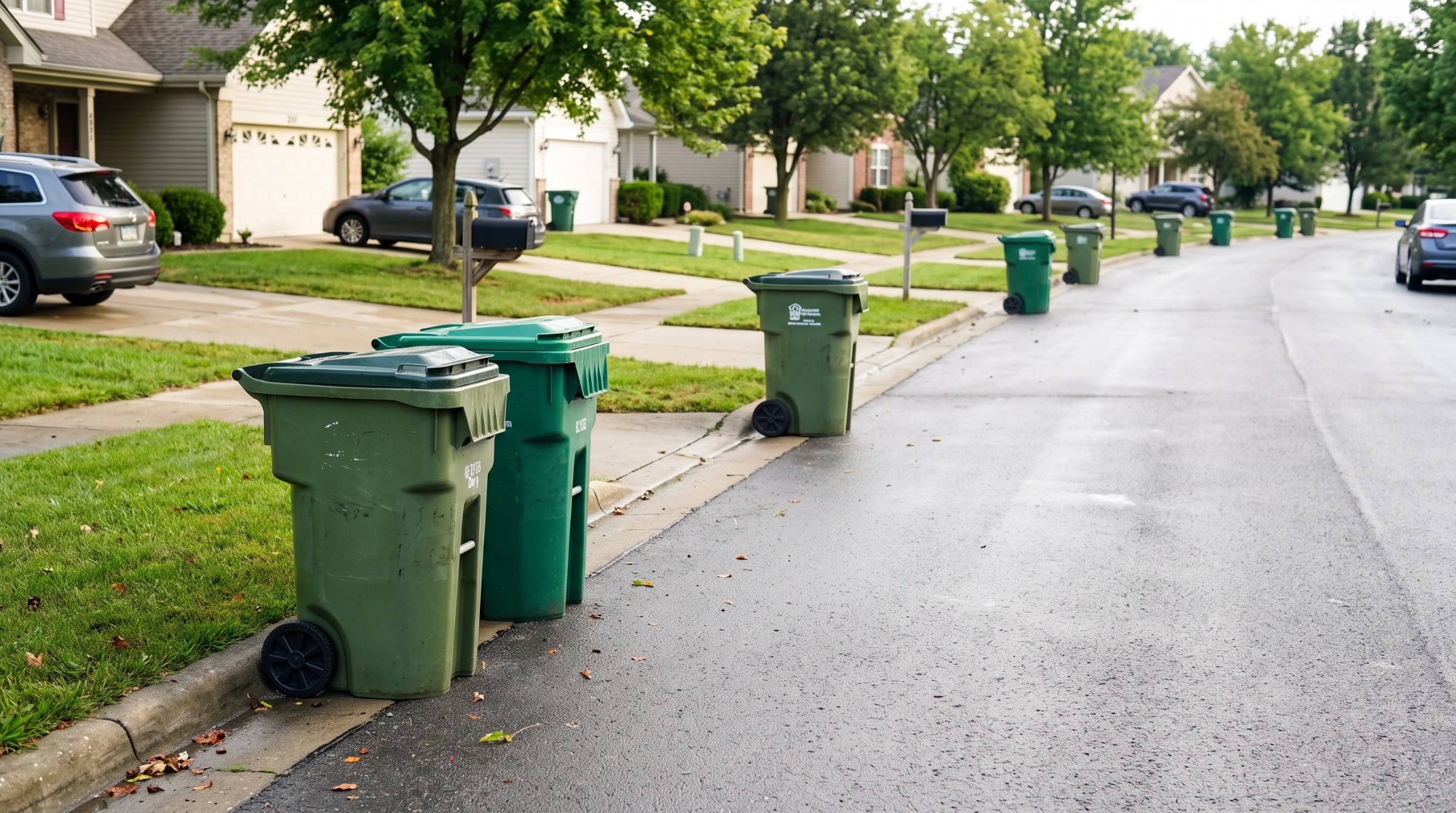
For many homeowners in California, separating food scraps and food-soiled paper for composting has become a daily routine. For others, it is still a new requirement, and one that is about to get more serious.
Reports indicate that enforcement of California's SB 1383 organic waste law is ramping up in some areas, including the San Gabriel Valley. This means residents in cities across the region may soon start seeing notices or even tickets for not properly separating their organic waste.
It is easy to feel overwhelmed by new rules, especially when they involve daily habits in the kitchen. The good news is that composting at home does not have to be complicated. Building a consistent habit now can help you avoid future headaches and contribute to a healthier environment.
Why SB 1383 matters for your kitchen
California's SB 1383 law requires everyone to separate organic waste from regular trash. This includes food scraps like fruit and vegetable peels, meat, dairy, bones, and coffee grounds, along with food-soiled paper like napkins, paper towels, and non-waxed paper plates. The goal is to keep these materials out of landfills, where they produce methane, a potent greenhouse gas.
When food waste and other organics break down in landfills without oxygen, they release methane. Composting, on the other hand, breaks down these materials in the presence of oxygen, turning them into nutrient-rich soil amendment. This process avoids methane emissions and creates a valuable resource.
For most homes, the separated organic waste goes into a designated green bin provided by your city or waste hauler for curbside collection. If you are unsure what specifically goes into your green bin, always check your local hauler's guidelines, as lists can vary slightly by city.
Making composting a simple daily habit
Getting into the habit of separating food scraps is like any other new routine: it takes a little planning and consistency at first. The key is to make it as convenient and seamless as possible in your kitchen.
Know what goes where
The first step is to understand what belongs in your compost bin and what still goes in the trash. It can be confusing at first, but with a little practice, it becomes second nature. Here is a general breakdown:
In your compost bin (or CompostFit):
- Fruit and vegetable scraps (peels, cores, wilted produce)
- Meat, poultry, and fish (cooked or raw, including bones)
- Dairy products (cheese, yogurt, sour cream)
- Bread, pasta, rice, and grains
- Coffee grounds and tea bags
- Eggshells
- Food-soiled paper: paper towels, napkins, paper plates (without plastic or wax coatings), and food-soiled cardboard (like pizza boxes)
In your regular trash bin:
- Plastics (bags, containers, wrappers)
- Foil
- Styrofoam
- Glass (unless your hauler specifies otherwise for recycling)
- Non-organic packaging
- Anything explicitly labeled as non-compostable by your hauler
If you have questions about specific items, your city's waste management website or your hauler's guide is the best resource.
Place your compost bin strategically
The location of your compost bin is crucial for building a consistent habit. If it is out of sight or inconvenient to access, you are less likely to use it.
Many people use a small countertop pail, but these can take up valuable counter space and often require special compostable bags (that aren't generally accepted or compostable at waste facilities). They can also be too small for larger items like full-size paper plates.
An alternative is to integrate your compost collection directly into your existing kitchen workflow, such as inside a pull-out trash can with a product like CompostFit. This keeps it out of sight and makes sorting food scraps as simple as throwing something into the trash.
Get the whole household involved
Composting works best when everyone in the house is on board. Take a few minutes to explain the new routine to family members, especially children. Show them what goes into the compost bin and what goes into the trash. Consistent reminders and making it easy for them to participate will help everyone adopt the habit.
For example, imagine you are cleaning up after a family dinner. There are leftover fruit peels from dessert, some food-soiled napkins, and a few plastic wrappers from snack bags. Instead of reaching for a single trash can, you simply open your pull-out trash drawer. The fruit peels and napkins go into the compost section, while the plastic wrappers go into the trash section, all in one smooth motion. This kind of integrated system helps eliminate the decision fatigue that can make new habits difficult to sustain.
Preparing for enforcement
As cities in the San Gabriel Valley and across California move towards stricter enforcement of SB 1383, establishing these composting habits now will save you time and potential fines later. The goal of the law is not to penalize residents, but to encourage participation in a statewide effort to reduce landfill waste and combat climate change.
By making a conscious effort to separate your organic waste, you are not only complying with the law but also contributing to a more sustainable community.
Integrating a dedicated compost solution into your kitchen can make this transition effortless. The CompostFit insert, designed for Rev-A-Shelf RV-35 and RV-50 pull-out trash cans, creates a separate compartment for food scraps and food-soiled paper right inside your existing trash can. This means no countertop clutter, no special compost bags to buy, and a wide opening that easily handles items like paper plates, making it simpler to sort in the same motion as throwing something away.