
Making room for paper in your compost bin
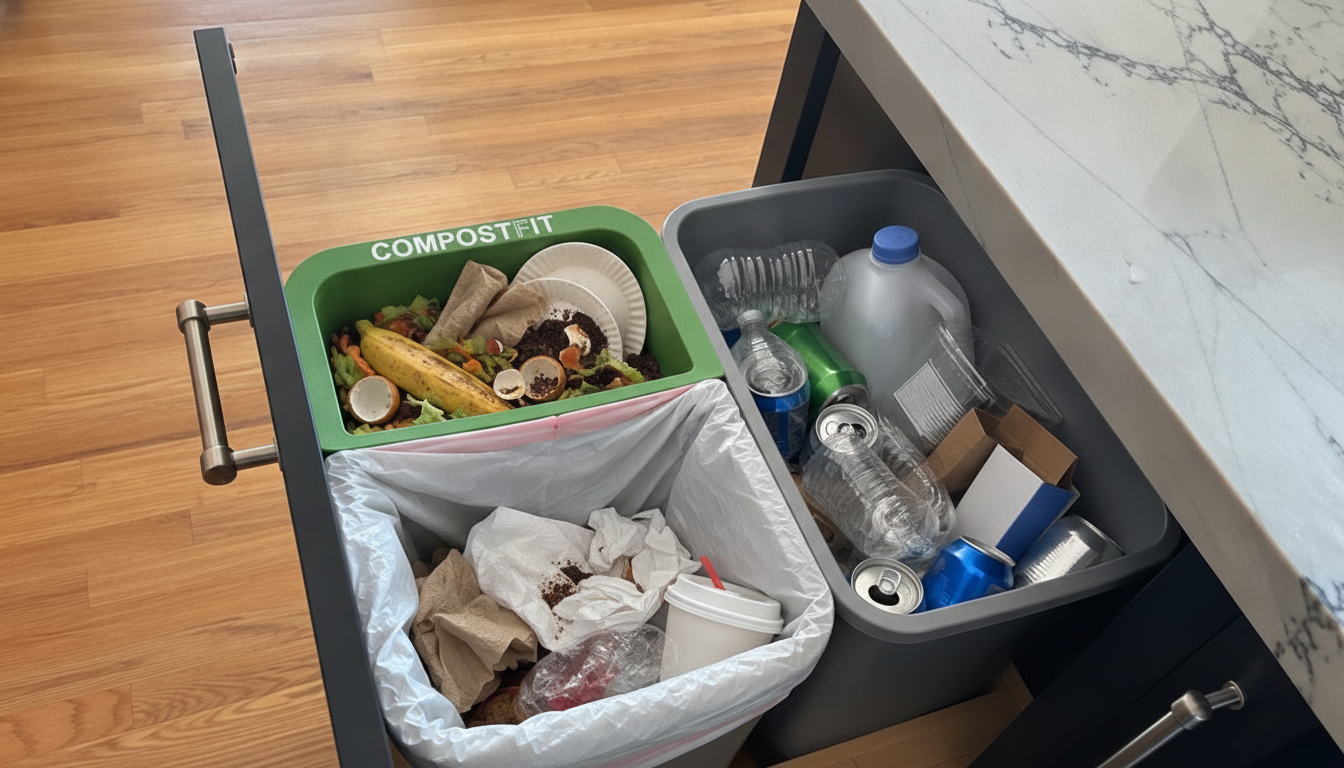
For many years, home composting was mostly about food scraps – fruit and vegetable peels, coffee grounds, and maybe eggshells. Now, with California's SB 1383 in full swing, the list of items we're asked to put into our green bins has expanded considerably. This shift means that what used to be a small collection of kitchen waste has grown to include bulkier items like food-soiled paper and cardboard.
This change can be a bit of a surprise if you're used to a small countertop pail. Suddenly, you're not just dealing with apple cores, but also greasy pizza boxes, used paper towels, and even entire paper plates from a casual family meal. These items take up a lot more space, fill up small bins quickly, and can make your composting routine feel more cumbersome than before. It often prompts a need for a larger, more integrated solution right in the kitchen.
Beyond Food Scraps: What's New in Your Green Bin
California's SB 1383 specifically targets "organic waste," which includes not only traditional food scraps but also food-soiled paper and cardboard. This is a significant addition that changes how many households approach their kitchen composting.
Here are some common items you might now be composting that you previously threw in the trash:
- Paper plates: Often used for convenience, especially with kids or casual meals. If they're free of wax or plastic liners, and soiled with food, they're typically good for the green bin. Always check your local hauler's guidelines for specifics.
- Napkins and paper towels: These absorbent items are great for wiping up spills or food residue. Once soiled with food, they belong with your organics.
- Pizza boxes: The greasy bottom of a pizza box is a prime candidate for the green bin. Tear off any clean, dry parts for recycling, and compost the soiled sections.
- Paper take-out containers: Many are now compostable, especially those that held greasy food. Look for certifications or check with your hauler.
- Coffee filters and tea bags: These have always been compostable, but now they're explicitly part of the mandated organic waste stream.
- Used paper bags: If they're soiled with food from groceries or a takeaway meal, they can often go into the green bin.
The key here is "food-soiled." A clean paper plate or napkin goes in recycling or trash, depending on its material. A plate with leftover sauce or a napkin used to wipe a greasy mouth belongs with the organics. This distinction is important for keeping contaminants out of the compost stream.
Managing the Increased Volume in Your Kitchen
When you start adding paper plates, napkins, and other food-soiled paper to your compost, you quickly realize that volume becomes a bigger challenge. A small countertop bin that was perfectly adequate for fruit peels might now overflow after a single meal. This increased volume can lead to several frustrations:
- Frequent emptying: You might find yourself emptying your compost bin every day, or even multiple times a day, which adds to your chores.
- Countertop clutter: Small bins can quickly become an eyesore or take up valuable prep space if they're constantly full.
- Odor and pests: While paper itself doesn't smell much, food-soiled paper can still attract fruit flies or develop odors if left too long, especially if the bin isn't emptied regularly.
- Inconvenience: Having to tear up large items or force them into a small opening makes composting feel like a chore rather than a natural part of kitchen cleanup.
These issues often push people to look for a larger, more convenient solution that doesn't sacrifice kitchen aesthetics or cleanliness. The goal is to make composting as easy as throwing something into the trash, even with the added bulk.
Practical Tips for a Smoother Composting Routine
Adapting to the expanded list of compostable items means adjusting your habits and potentially your tools. Here are some practical tips to make composting paper products easier:
- Check your local guidelines: While SB 1383 sets the state standard, specific acceptable items can vary slightly by city and waste hauler. Always consult your local hauler's website for their definitive list of what goes into your green bin. This is especially true for items like paper plates, which sometimes have coatings.
- Tear larger items: If you're composting a whole pizza box, tear off the clean lid for recycling and rip the greasy bottom into smaller pieces. This helps it fit into your compost bin and can aid in decomposition at the composting facility.
- Consider a larger bin: If your current small bin is struggling with the volume, think about adding a CompostFit to your trash bin to expand your composting capabilities! An under-sink pull-out system can offer more capacity and keep the bin out of sight.
- Empty regularly: Even with a larger bin, regular emptying into your outdoor green bin or compost pile is still the best defense against odors and pests. Aim for every few days, or as needed, depending on how quickly it fills.
An Evening Scenario
Imagine you've just hosted a casual weeknight dinner for your family. There were paper plates, plenty of napkins, and maybe a few paper towels used for quick cleanups. As everyone finishes eating, you start clearing the table. Instead of scraping food scraps into one small bin and then trying to fit the bulky, sauce-stained paper plates and wadded napkins into another, or worse, the trash, you can now streamline the process.
With a larger, easily accessible compost solution like CompostFit, you simply scrape the food and toss the paper items directly into the same dedicated section. The wide opening accommodates the full paper plates without needing to tear them up beforehand. Everything that's organic goes into one spot, right where you're already doing your cleanup, making the whole process quick and efficient.
Composting food-soiled paper is a straightforward way to boost your SB 1383 compliance and reduce landfill waste. For households with Rev-A-Shelf RV-35 or RV-50 pull-out trash cans, a CompostFit insert creates a dedicated, spacious compartment for these items right alongside your trash, making it easy to manage the increased volume without adding clutter to your kitchen.